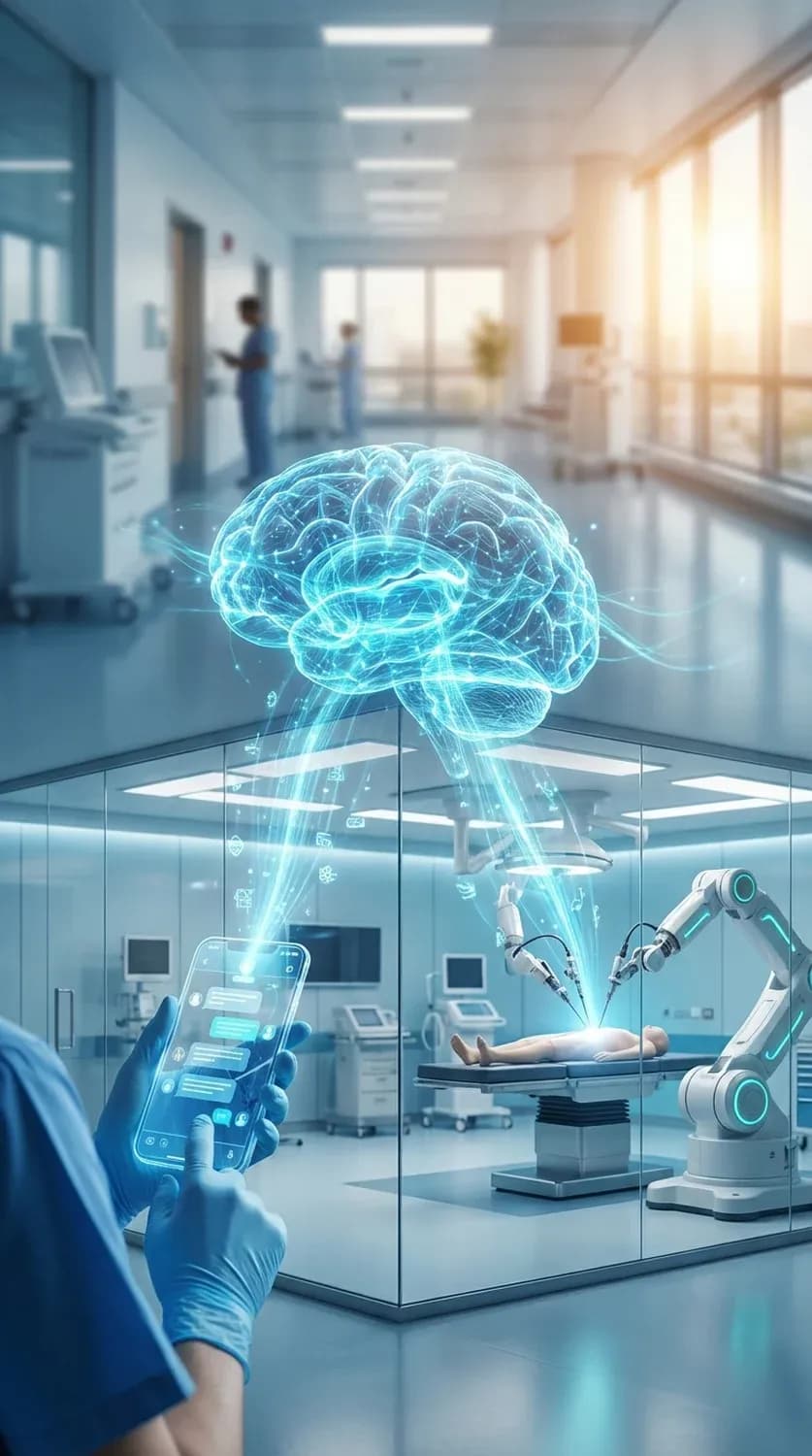
In 2025, through the convergence of robotics and artificial intelligence, machines have gained "eyes" and "brains." We are no longer talking about blind tools moving on pre-programmed paths, but autonomous entities capable of sensing their environment and learning.
The Age of Humanoid Robots
Although they seemed like a marketing gimmick for a long time, humanoid robots have found their place in the industry by 2025. Tesla Optimus and its competitors are no longer just walking but performing complex assembly tasks in car factories and handling hazardous materials in chemical plants. The integration of generative AI allows them to understand natural language instructions (e.g., "Hand me the red screwdriver").
Mobile Manipulators (MoMas)
One of the biggest trends of the year is the spread of MoMa (Mobile Manipulator) systems. These robots combine the mobility of autonomous mobile robots (AMRs) with the dexterity of robotic arms.
Why are they revolutionary?
- Flexibility: They are not fixed to one location and can be deployed anywhere in the factory.
- Logistics: They can pick a box off a shelf, transport it to packaging, and place it on the conveyor belt – without human intervention.
- Cost-efficiency: They work 24/7, do not get tired, and reduce the number of accidents.
Cobots: Collaboration, Not Replacement
The market for cobots (collaborative robots) is exploding. These machines are designed to work safely in close proximity to humans, without protective fences. Their sensors detect human presence and stop immediately if there is a risk of collision. This enables hybrid workflows where the robot performs heavy physical labor, and the human handles tasks requiring fine motor skills or decision-making.
AI Vision Systems
The "eyes" of robots, Computer Vision, have undergone dramatic development. 2025 systems no longer just recognize shapes but interpret context as well. For example, a warehouse robot recognizes if a box is damaged and sets it aside for quality control, without being explicitly programmed to do so.
Summary
Robotics stepped out of the cage in 2025. Machines are now walking, working, and learning among us. This technological leap not only increases productivity but also forces a rethinking of the role of human labor in the physical world.
Frequently Asked Questions
Which industries are expected to see the biggest robotics revolution in 2025?
Logistics, manufacturing, healthcare, and hospitality are at the forefront, where autonomous systems are already drastically improving efficiency today.
What are humanoid robots and what are they used for?
Robots that have a human form so they can move in human environments and use tools designed for us.
How does AI help robots learn?
Through reinforcement learning and simulations (digital twins), robots can practice millions of times in virtual environments.
Készen állsz a saját weboldaladra?
Ingyenes konzultáció során átbeszéljük, hogyan segíthetünk vállalkozásodnak növekedni egy modern, gyors és konverzióoptimalizált weboldallal. 14 nap alatt kész, 0 Ft induló költséggel.