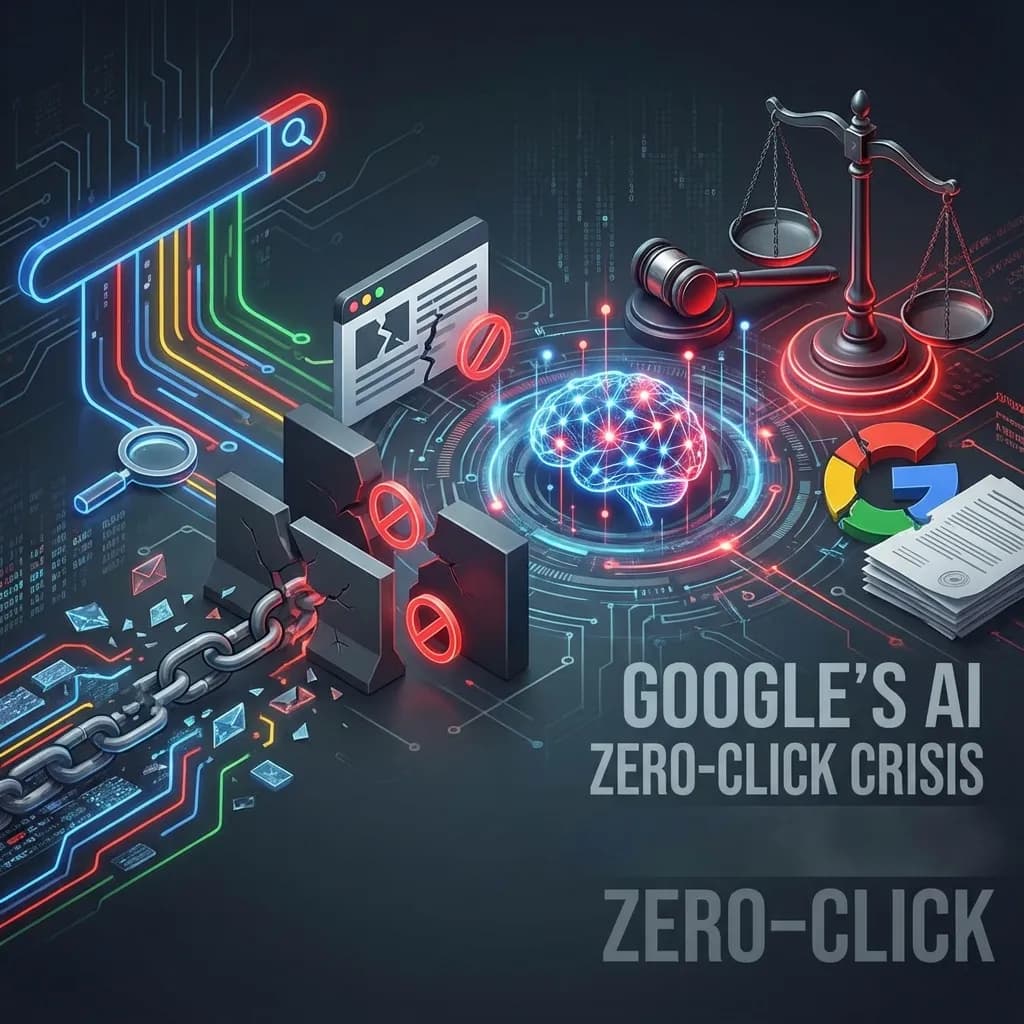


A digitális tájkép szeizmikus megrázkódtatás közepette van, alapvetően átformálva, hogyan találunk és fogyasztunk információt az interneten. Évtizedekig a Google keresőmotorja volt az internet vitathatatlan kapuja, egy szimbiotikus ökoszisztéma, ahol a tartalomkészítők információt szolgáltattak, a Google pedig forgalmat irányított hozzájuk. De ez a paradigma most megtörik. A tettes? Pont az a technológia, amely a jövőnket hivatott meghatározni: a mesterséges intelligencia. A Google AI Overviews bevezetése és az ebből fakadó „zéró kattintásos keresések” megugrása nem csupán apró frissítések; ezek egy tektonikus elmozdulást jelentenek, amely a nyílt web gazdasági alapjait fenyegeti, heves jogi csatákat robbantva ki, és a vállalkozásokat digitális stratégiáik radikális újragondolására kényszerítve. Ez a cikk ezen átalakulás szívébe ás, feltárva a technológiát, az azt követő szerzői jogi vihart és a túléléshez szükséges taktikákat ebben a szép új világban.
A Válaszadó Motor Felemelkedése: A Google AI Overviews Magyarázata
Ennek a forradalomnak az élén a Google AI Overviews (MI Áttekintések) állnak. Ahelyett, hogy egy listát mutatna kék linkekből, amelyekre a felhasználók kattinthatnak, a Google most gyakran egy közvetlen, MI által generált összefoglalót nyújt a keresési találatok legtetején. Ez a válasz több forrásból van szintetizálva, célja, hogy azonnal kielégítse a felhasználó kérdését anélkül, hogy egyetlen kattintást kellene tennie egy külső weboldalra. Ez a funkció, amelyet először a Google I/O 2024 konferencián mutattak be részletesen, az évekig tartó MI fejlesztés csúcspontja, amely a korábbi rendszerekből, mint a RankBrain, a mai kifinomult generatív modellekké fejlődött.
A felhasználó számára az előny tagadhatatlan: sebesség és kényelem. Miért kellene több cikket átböngészni, amikor egy szépen csomagolt válasz azonnal rendelkezésre áll? Azonban a kiadók, alkotók és vállalkozások számára, akiknek a tartalma ezeket az MI összefoglalókat táplálja, a kép sokkal komorabb. Tartalmukat lemásolják, újrahasznosítják és egy olyan funkció létrehozására használják, amely aktívan visszatartja a felhasználókat attól, hogy meglátogassák weboldalaikat. Ez közvetlenül támadja a forgalomalapú bevételi modelleket – hirdetések, partnerlinkek és közvetlen konverziók –, amelyek több mint két évtizeden át fenntartották az internet tartalomkészítőit.
A Zéró Kattintás Gazdasága: Veszély a Nyílt Webre?
Azt a jelenséget, hogy a felhasználók anélkül kapják meg a válaszukat, hogy elhagynák a keresőmotor találati oldalát (SERP), „zéró kattintásos keresésnek” nevezik. Bár ez nem teljesen új – a kiemelt részletek és a tudáspanelek évek óta léteznek –, az AI Overviews felturbózta a trendet, egy rétegjelenségből egyre több keresés alapértelmezett élményévé téve azt. Olyan szervezetek, mint a SparkToro, tanulmányokban követték nyomon ezt a növekedést, és egy aggasztó tendenciára mutattak rá, miszerint a keresések többsége már nem eredményez kattintást.
Ez az elmozdulás egy új „zéró kattintásos gazdaságot” teremt, ahol a Google SERP-jén való láthatóság a legfontosabb, de a közvetlen forgalom nem garantált eredmény. A web hagyományos szerződése újraíródik az egyik kulcsszereplő: a kiadók beleegyezése nélkül. A következő táblázat bemutatja a régi és az új keresési paradigmák közötti éles ellentétet:
| Jellemző | Hagyományos Keresési Modell | MI-alapú Zéró Kattintás Modell |
|---|---|---|
| Elsődleges Felhasználói Cél | A legjobb link/forrás megtalálása | Azonnali, közvetlen válasz kapása |
| Forgalom a Kiadókhoz | Magas, mivel a kattintás szükséges | Drámaian csökkentett vagy megszűnt |
| Kiadói Monetizáció | Oldalon belüli aktivitáson alapul (hirdetések, konverziók) | Súlyosan fenyegetett |
| SEO Fókusz | Magas helyezés a kék linkek között | MI Áttekintésekben való megjelenés, márka láthatósága |
| Adatáramlás | Google indexel, felhasználó átkattint | Google másol, szintetizál és bemutat |
A következmények óriásiak. Ha a kiadók már nem tudják pénzzé tenni a tartalmukat, csökken az ösztönzés a magas minőségű, mélyreható információk létrehozására. Ez egy kevésbé sokszínű, kevésbé megbízható webhez vezethet, ami ironikus módon aláássa pont azokat a forrásokat, amelyekre az MI modelleknek szükségük van a válaszaik generálásához. Ezen adatfolyamok hatékony kezelése és megértése kritikusabb, mint valaha, amihez kifinomult adatfeldolgozási képességek szükségesek.
A Nagy Adatrablás? Jogi és Etikai Viharok
A hatalmas mennyiségű nyilvános webes adat felhasználása nagy nyelvi modellek tanítására jogi és etikai vihart kavart. Az olyan technológiai óriások, mint a Google, az OpenAI, az Anthropic és a Meta azzal érvelnek, hogy ez az adatgyűjtés a „méltányos felhasználás” (fair use) körébe tartozik, egy olyan jogi doktrína, amely lehetővé teszi a szerzői joggal védett anyagok korlátozott felhasználását engedély nélkül. Azt állítják, hogy ez elengedhetetlen a technológiai innovációhoz és a közjót szolgálja azáltal, hogy új, hatékony MI-eszközöket tesz lehetővé.
A kiadók, művészek és alkotók hevesen vitatják ezt, ipari méretű lopásnak bélyegezve a gyakorlatot. Azzal érvelnek, hogy munkájukat olyan kereskedelmi termékek építésére használják, amelyek közvetlenül versenyeznek velük, mindezt kompenzáció vagy beleegyezés nélkül. Ez a konfliktus a bíróságokon és a szabályozó testületek előtt csúcsosodott ki. Európában a kiadók egy koalíciója trösztellenes panaszt nyújtott be az Európai Bizottsághoz, azzal érvelve, hogy a Google AI Overviews tisztességtelen előnyhöz juttatja a vállalatot, és keresési dominanciáját kihasználva fojtja el a versenyt. Azt állítják, hogy a Google keresőmotorból mag-kiadóvá válik, mások tartalmát felhasználva. Sokan ezt a csatát tekintik az új trösztellenes frontvonalnak, amely a hirdetési technológiáról a generatív MI-re helyeződött át.
A vita középpontjában az áll, hogy egy generatív MI kimenete eléggé „transzformatív”-e ahhoz, hogy új műnek minősüljön. Miközben a bíróságok ezekkel a mérföldkőnek számító ügyekkel birkóznak, a szerzői jog jövője az MI korában a levegőben lóg. A vállalatok egyre inkább keresik a módját, hogy saját folyamataikat automatizálják anélkül, hogy ezekbe a jogi szürke zónákba kerülnének, és gyakran fordulnak olyan megoldásokhoz, mint az egyedi automatizálás a megfelelőség és az ellenőrzés biztosítása érdekében.
Túlélési Útmutató az Új SEO Korszakhoz: Alkalmazkodás a Zéró Kattintás Világához
Bár a helyzet súlyosnak tűnik, ez nem a SEO vége – hanem egy kényszerű evolúció. A játékszabályok megváltoztak, így a stratégiáknak is változniuk kell. Íme a legfontosabb túlélési taktikák vállalkozások, marketingesek és alkotók számára:
1. Optimalizálj a Kiemelt Részletre, Célozz az Áttekintésre
Az új célod az, hogy a tartalmad közvetlenül a Google MI Áttekintéseiben jelenjen meg. Ehhez a tartalomstratégia megváltoztatására van szükség:
- Válaszolj Közvetlenül a Kérdésekre: Strukturáld a tartalmat tiszta kérdés-felelet formátumban. Használj címsorokat a kérdésekhez, és adj tömör, pontos válaszokat közvetlenül alattuk.
- Használj Strukturált Adatokat: Implementálj séma jelölést, hogy segíts a Google-nak megérteni a tartalmad kontextusát, megkönnyítve annak beemelését a kiemelt részletekbe és MI-válaszokba.
- Fókuszálj az E-E-A-T-re: Duplázz rá a Szakértelemre, Tapasztalatra, Hitelességre és Megbízhatóságra (Expertise, Experience, Authoritativeness, Trustworthiness). A Google MI-generált tartalomra vonatkozó útmutatása hangsúlyozza a megbízható, emberközpontú információ fontosságát. A szerzői életrajzok, az egyértelmű forrásmegjelölés és a valós tapasztalatok bemutatása kulcsfontosságú.
2. Alkalmazd a Zéró Kattintás Marketinget
Ha a felhasználók nem kattintanak, akkor közvetlenül a SERP-en kell hatást gyakorolnod. Ez magában foglalja:
- Márkaépítés a SERP-en: A márkanevednek jól láthatóan meg kell jelennie az MI Áttekintésekben. A cél az, hogy a felhasználók a márkádat a szakterületed autoritatív válaszaival társítsák.
- Helyi SEO és Google Cégprofil: A helyi vállalkozások számára a zéró kattintásos trend egy lehetőség. Egy jól optimalizált Google Cégprofil válaszokat, útvonalterveket és telefonhívásokat generálhat weboldal-látogatás nélkül. A statisztikák azt mutatják, hogy ez a helyi kereskedelem hatalmas mozgatórugója.
- Komplex, Összegezhetetlen Tartalom: Hozz létre olyan tartalmat, amit az MI nem tud könnyen összefoglalni. Ide tartoznak a mélyreható esettanulmányok, egyedi adatok és kutatások, interaktív eszközök és erős, véleményvezérelt elemzések. Adj okot a felhasználóknak, hogy átkattintsanak a teljes érték megszerzéséért.
3. Építsd Fel a Saját Zárt Kertedet
Ne függj teljesen a Google-től. Koncentrálj a közvetlen kapcsolatok kiépítésére a közönségeddel:
- E-mail Hírlevelek: Építs egy feliratkozói listát, amelyet te birtokolsz és irányítasz.
- Közösségépítés: Hozz létre fórumokat, közösségi média csoportokat vagy más platformokat, ahol a közönséged közvetlenül kapcsolatba léphet veled.
- Használd a Saját MI-det: Implementálj olyan oldalon belüli eszközöket, amelyek egyedi értéket nyújtanak. Egy kifinomult RAG chatbot például azonnali, pontos válaszokat adhat a céged saját adatai alapján, olyan élményt teremtve, amelyet a Google nem tud lemásolni. Ahogy az MI egyre inkább beépül minden eszközbe, a böngészőnktől a telefonunkig, egy robusztus oldalon belüli élmény kulcsfontosságú lesz. Az interakció jövője az intelligens eszközök, például egy MI telefon felé halad, ami még fontosabbá teszi a közvetlen elköteleződési csatornákat.
Konklúzió: Az Internet Válaszúton
Történelmi léptékű paradigmaváltásnak vagyunk tanúi. A Google átállása egy keresőmotorból egy generatív MI által működtetett „válaszadó motorrá” példátlan kényelmet kínál, de egyúttal fenyegeti azt a gazdasági modellt, amely a sokszínű digitális tartalom létrehozását táplálta. A zéró kattintásos keresés már nem egy marginális fogalom, hanem az új internet központi jellemzője. A szerzői jogi és adatgyűjtési viták jogi csatái fogják alakítani ennek az új korszaknak a szabályait, de a technológiai változás már itt van. A kiadók, marketingesek és vállalkozások számára a továbblépés útja nem az árral szembeni harc, hanem a navigáció megtanulása. A túlélés a stratégiai alkalmazkodáson, a márkaépítésre való újbóli összpontosításon és az olyan egyedi érték teremtésén múlik, amelyet egy MI-összefoglaló egyszerűen nem helyettesíthet. A nyílt web nem halt meg, de örökre megváltozik.
Gyakran Ismételt Kérdések
Mit jelent pontosan a "zéró kattintásos keresés"?
Zéró kattintásos keresés akkor történik, amikor egy felhasználó kérdésére a válasz közvetlenül a keresőmotor találati oldalán (SERP) jelenik meg, így nem kell semmilyen weboldal linkre kattintania az információ megszerzéséhez. Ezt gyakran olyan funkciók teszik lehetővé, mint a Google MI Áttekintései, a kiemelt részletek vagy a tudáspanelek.
Meghalt a SEO az MI Áttekintések miatt?
A SEO nem halt meg, de jelentős átalakuláson megy keresztül. A fókusz a kulcsszavakra való egyszerű rangsorolásról a "Zéró Kattintás Marketing" felé tolódik el. Ez az új megközelítés magában foglalja a tartalom optimalizálását az MI-összefoglalókban való megjelenésre, a márka tekintélyének építését közvetlenül a SERP-en, valamint olyan mélyreható tartalmak és élmények létrehozását, amelyeket az MI nem tud lemásolni, így ösztönözve a felhasználókat a weboldalra való átkattintásra.
Készen állsz a saját weboldaladra?
Ingyenes konzultáció során átbeszéljük, hogyan segíthetünk vállalkozásodnak növekedni egy modern, gyors és konverzióoptimalizált weboldallal. 14 nap alatt kész, 0 Ft induló költséggel.