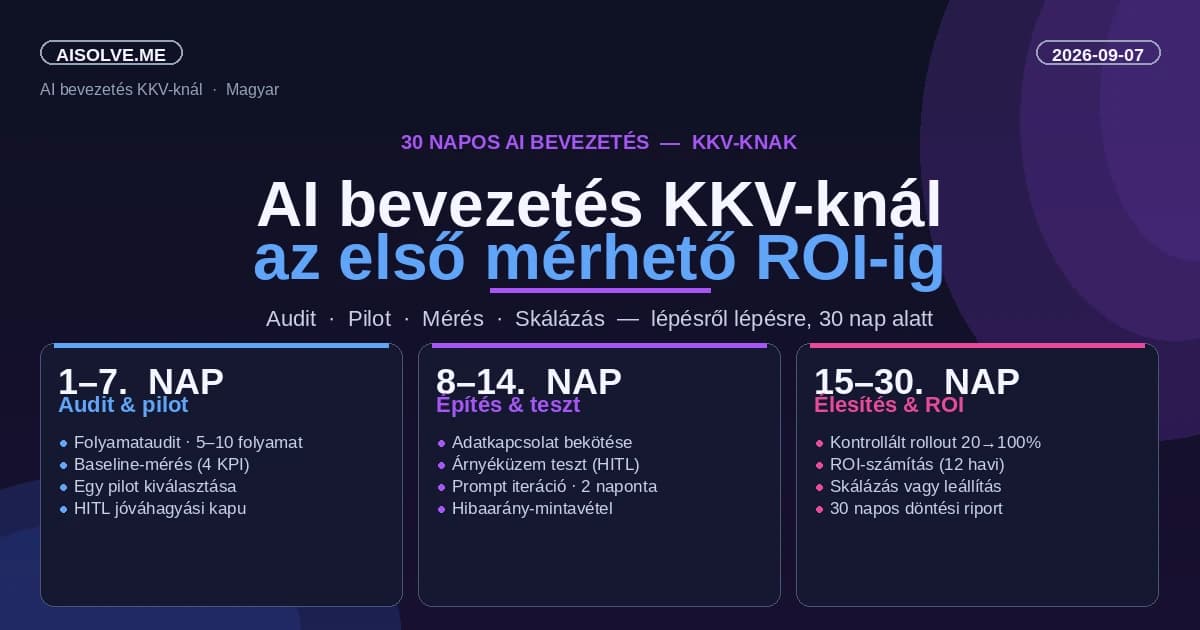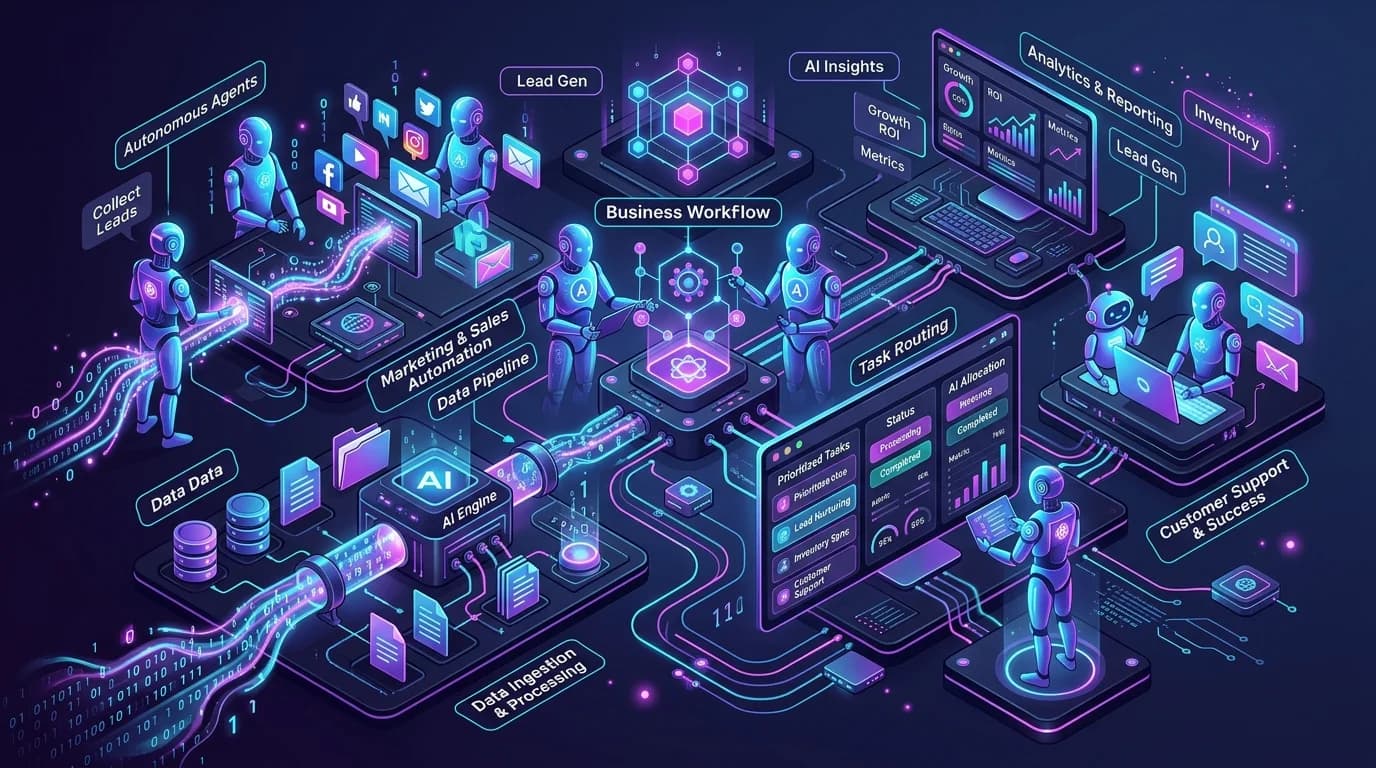
Introduction: The Data Explosion and the Era of AI Data Processing Agents
The launch of ChatGPT wasn't just a triumph of LLMs; it was an infrastructure marvel. Handling millions of queries per second required OpenAI to optimize PostgreSQL to its absolute limits. This serves as a critical lesson for any enterprise deploying AI Data Processing Agents. These autonomous agents need a high-performance backbone to function effectively. Without a scalable architecture, even the smartest agent becomes slow and inefficient.
What Are AI Data Processing Agents?
Unlike traditional ETL scripts, AI agents are autonomous entities capable of decision-making. They ingest, clean, and analyze data, adapting to changes in real-time. From biomanufacturing to financial fraud detection, these agents are revolutionizing industries by automating complex data tasks that previously required human intervention.
OpenAI's PostgreSQL Scaling Blueprint
OpenAI's strategy relied on fundamental architectural decisions:
- Sharding & Partitioning: Distributing data across multiple nodes to handle massive write loads.
- PgBouncer: Using connection pooling to manage thousands of concurrent connections efficiently.
- Optimization: Leveraging JSONB with GIN indexes to handle unstructured data at speed.
Adapting for the Enterprise
Enterprises don't always need ChatGPT-scale, but they need the principles. Start with read replicas and connection pooling before jumping to complex sharding. Ensure your architecture includes Vector Databases for RAG and Stream Processing for real-time data ingestion. Security is paramount—never give agents admin access and always audit their actions.
Ready to build your AI infrastructure? Contact AiSolve for expert guidance on scalable automation and data architecture.
Frequently Asked Questions
Készen állsz a saját weboldaladra?
Ingyenes konzultáció során átbeszéljük, hogyan segíthetünk vállalkozásodnak növekedni egy modern, gyors és konverzióoptimalizált weboldallal. 14 nap alatt kész, 0 Ft induló költséggel.