

A vállalati mesterséges intelligencia gyorsan fejlődő világában a cégek egyre inkább szembesülnek az első generációs AI eszközök korlátaival. Az egyszerű, lineáris prompt láncok, bár hasznosak alapvető feladatokra, összeroppannak a komplex, valós üzleti folyamatok súlya alatt. Ipari adatok szerint a kezdeti vállalati AI projektek több mint 60%-a vall kudarcot a skálázhatóság hiánya és az architekturális merevség miatt. Ez a valóság stratégiai váltásra kényszerít az egyszerű automatizálásról a kifinomult, elosztott ügynökplatformok építése felé. Az olyan technológiai óriások, mint a LinkedIn, úttörő szerepet játszanak ebben az átalakulásban, rugalmas, nagymértékben skálázható ügynöki rendszerek felé mozdulva, amelyek emberi csapatokat utánoznak. Ez a cikk ennek a fejlődésnek a tervrajzát tárja fel, részletezve a felügyelő-alügynök modellre való áttérést, amely a valóban hatékony egyedi automatizálás jövőjét képviseli. Ennek az architekturális ugrásnak a megértésével a vállalkozások olyan AI rendszereket építhetnek, amelyek nemcsak erősek, hanem modulárisak, skálázhatók és kezelhetők is.
| Terület | Kulcsfontosságú Megállapítás |
|---|---|
| Architekturális Váltás | A vállalatok a törékeny, monolitikus prompt láncokról egy robusztus felügyelő-alügynök modellre térnek át az AI feladatoknál, ami lehetővé teszi a skálázhatóságot és a rugalmasságot. |
| Modularitás | A komplex problémák specializált alügynökökre bontása lehetővé teszi a párhuzamos fejlesztést, a könnyebb hibakeresést és a független minőségellenőrzést. |
| Esettanulmány: LinkedIn | A LinkedIn Toborzási Asszisztense példázza ezt a modellt, ahol egy felügyelő koordinálja a specializált ügynököket olyan feladatokra, mint a forráskutatás, elemzés és kommunikáció. |
| Felhasználói Felület | Egy kifinomult háttérrendszerű AI rendszerhez egy ugyanolyan kifinomult frontend szükséges az emberi felügyelethez, kezeléshez és bizalomhoz, ami elengedhetetlenné teszi a professzionális webfejlesztést. |
| Üzleti Hatás | Ezeknek a rendszereknek a sikere világos mérőszámokon (ROI, hibacsökkentés) és erős irányításon múlik az olyan kockázatok kezelésére, mint az algoritmikus torzítás és az adatvédelem. |
Az Egyszerűség Korlátai: Miért Buknak El az Első Generációs Prompt Láncok
A vállalati AI bevezetésének kezdeti hullámát nagymértékben a prompt láncolás határozta meg. Ez a technika egy sor prompt összekapcsolását jelenti, ahol az egyik Nagy Nyelvi Modell (LLM) hívás kimenete a következő bemenetévé válik. Egyszerű, lineáris munkafolyamatokhoz, mint például egy dokumentum összefoglalása, majd a kulcsfontosságú entitások kinyerése, ez a megközelítés ésszerűen jól működik. Könnyen prototipizálható és gyors eredményeket hozhat, bemutatva az AI potenciálját anélkül, hogy jelentős mérnöki befektetést igényelne.
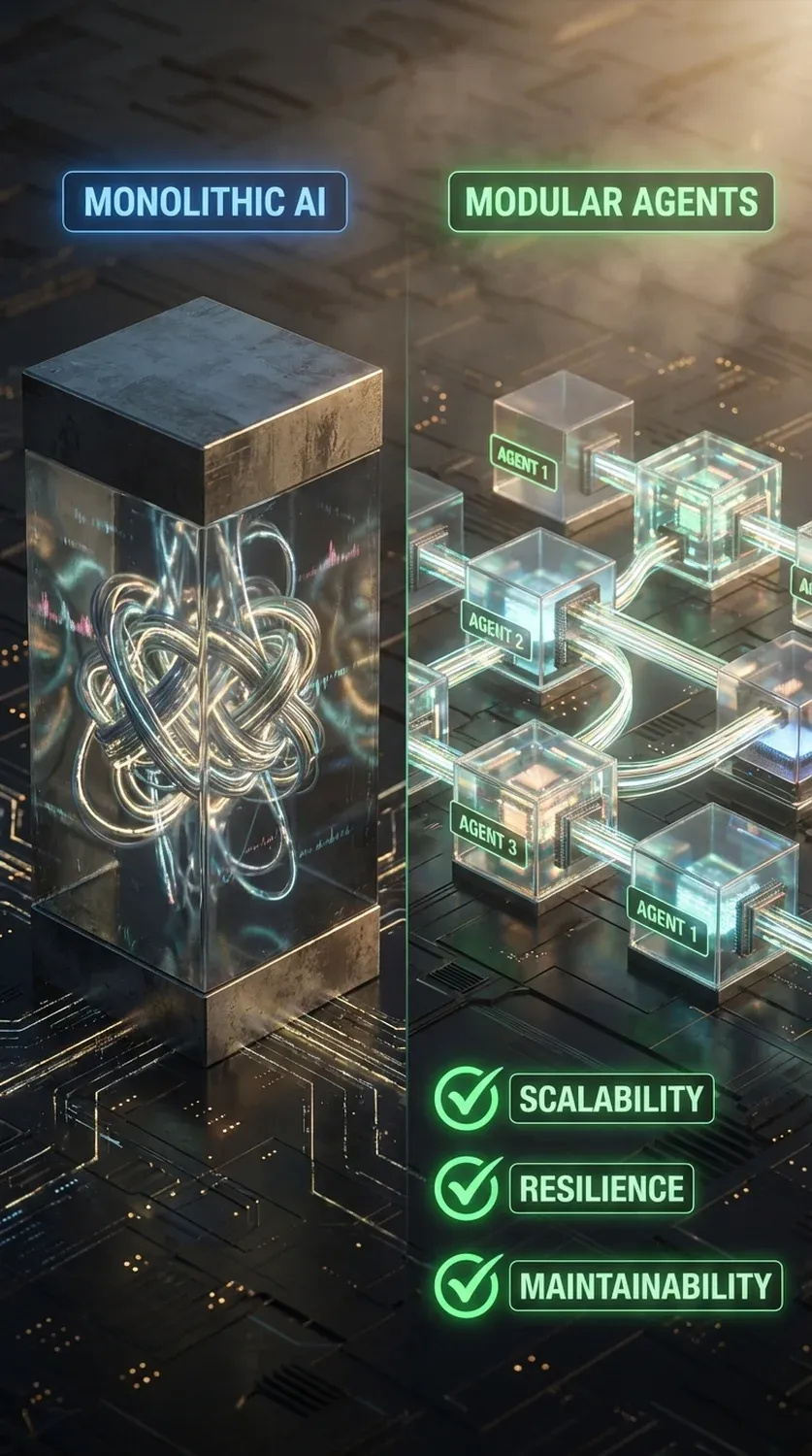
Azonban ez az egyszerűség megtévesztő. Ahogy az üzleti folyamatok összetettebbé és dinamikusabbá válnak, a prompt láncok rejlő törékenysége komoly problémává válik. Egyetlen hiba a láncban az egész folyamat összeomlását okozhatja, a hibaterjedés pedig rémálommá teszi a hibakeresést. Ezek a rendszerek eredendően monolitikusak; a folyamat egy részének megváltoztatása gyakran az egész lánc újraértékelését igényli. Ez megnehezíti a skálázásukat, karbantartásukat és adaptálásukat. Képzeljünk el egy ügyfélszolgálati folyamatot: mi történik, ha a felhasználó olyan kérdést tesz fel, amely eltér az előre meghatározott szkripttől? Egy merev prompt lánc megszakad, ami rossz felhasználói élményhez vezet. Ezekből a rendszerekből hiányzik a kritikus fontosságú műveletekhez szükséges robusztusság és rugalmasság, ami arra ösztönzi a fejlesztőket, hogy ellenállóbb architektúrákat keressenek az egyedi automatizálás megvalósításához.
Az Architekturális Ugrás: A Felügyelő-Alügynök Modell Bemutatása
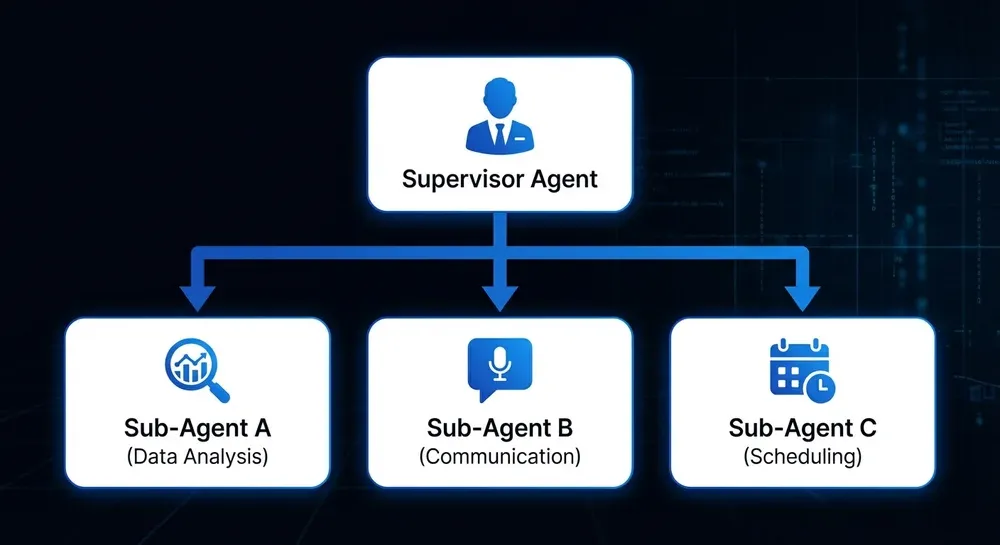
A monolitikus rendszerek hiányosságaira válaszul egy kifinomultabb paradigma jelent meg: a felügyelő-alügynök modell. Ez az architektúra az emberi szervezeti struktúrákból merít ihletet, ahol egy menedzser egy szakértői csapatot felügyel. Ebben a modellben egy magas szintű "felügyelő" ügynök felelős egy összetett cél kisebb, kezelhető részfeladatokra bontásáért. Ezután ezeket a feladatokat specializált "alügynököknek" delegálja, amelyeket mindegyiket egy-egy specifikus funkció magas szintű elvégzésére terveztek és képeztek ki.
A felügyelő szerepe nem csupán a delegálás, hanem a koordináció is. Figyelemmel kíséri az alügynökök haladását, összegyűjti azok kimeneteit, és szintetizálja őket az átfogó cél elérése érdekében. Kulcsfontosságú, hogy a minőségellenőrzést és a hibakezelést is ő végzi. Ha egy alügynök hibázik vagy nem optimális eredményt produkál, a felügyelő újra kioszthatja a feladatot, felülvizsgálatot kérhet, vagy akár egy másik alügynököt is bevonhat. Ez a modularitás a modell erejének kulcsa. Lehetővé teszi a párhuzamos fejlesztést, mivel különböző csapatok dolgozhatnak egymástól függetlenül a különböző alügynökökön. Egyszerűsíti a hibakeresést, mivel a problémák konkrét modulokra izolálhatók. És egy olyan rendszert hoz létre, amely sokkal ellenállóbb és alkalmazkodóbb, mint egy merev lánc, lefektetve ezzel a modern, skálázható AI alkalmazások alapjait.
Megvalósítási javaslat: Egy felügyelő-alügynök rendszer tervezésekor határozzon meg tiszta és stabil API-kat az ügynökök között. Ez biztosítja, hogy egy alügynököt frissíthessen vagy kicserélhessen anélkül, hogy az egész rendszert újra kellene terveznie, elősegítve a valódi modularitást.
Esettanulmány: A LinkedIn Toborzási Asszisztensének Boncolgatása
A LinkedIn "Toborzási Asszisztens" projektje tökéletes valós példát szolgáltat a felügyelő-alügynök modell gyakorlati alkalmazására. Az átfogó cél – segíteni a toborzóknak a képzett jelöltek megtalálásában és megszólításában – túlságosan összetett egyetlen AI modell számára. Ehelyett egy "Toborzási Felügyelő Ügynököt" képzelhetünk el a rendszer élén, amely egy szakértői csapatot irányít a felvételi folyamat egyszerűsítése érdekében.
A Specialista Alügynökök
Ez az AI ügynökökből álló csapat több különböző szerepkört foglalhat magában:
- Jelölt Forráskutató Ügynök: Ennek az ügynöknek a feladata, hogy a LinkedIn hatalmas adatbázisát átfésülve azonosítsa a potenciális jelölteket egy álláshirdetés alapján. Ehhez kifinomult keresési és szűrési kritériumokat használna, amelyek messze túlmutatnak az egyszerű kulcsszavas egyeztetésen.
- Profil Elemző Ügynök: Amint elkészül a jelöltek listája, ez az ügynök mélyreható elemzést végez minden profilról. Értékeli a készségeket, a tapasztalatot, a karrierívet és más árnyalt tényezőket, hogy pontozza a jelölt alkalmasságát a pozícióra. Ez kiváló példa arra, hogy a hatékony adatfeldolgozó AI ügynökök miként válnak kritikussá a strukturálatlan adatokból származó érdemi információk kinyerésében.
- Kommunikációs Ügynök: Ez az ügynök felelős a személyre szabott megkereső üzenetek megfogalmazásáért. Lehet, hogy sablonokat használ, de azokat a jelölt profilja alapján testre szabja a magasabb válaszadási arány érdekében. Akár egy RAG AI chatbot is lehet, amely képes megválaszolni a jelöltek kezdeti kérdéseit.
- Ütemező Ügynök: Az érdeklődő jelöltek esetében ez az ügynök a toborzó és a jelölt naptárával is interakcióba lépne, hogy kölcsönösen megfelelő időpontokat találjon egy interjúra, automatikusan kezelve az egyeztetést.
A Toborzási Felügyelő nem maga végzi el ezeket a feladatokat. Meghatározza a célt, delegálja a megfelelő ügynöknek, és biztosítja, hogy a teljes folyamat zökkenőmentesen fusson. Ha a Profil Elemző Ügynök egy jelöltet magas prioritásúnak jelöl, a Felügyelő azonnal aktiválja a Kommunikációs Ügynököt, hogy küldjön egy üzenetet. Ez a dinamikus, összehangolt megközelítés teszi az ilyen egyedi automatizálás megoldásokat annyira erőssé és hatékonnyá.
Tervezés a Rugalmasságra: Nagymértékű, Skálázható, Moduláris Ügynöki Rendszerek Építése
Egy nagyvállalati szinten működő ügynöki rendszer építése tudatos összpontosítást igényel a rugalmasságra és a modularitásra. A cél egy olyan rendszer létrehozása, amely kecsesen kezeli a hibákat, és teljes átalakítás nélkül képes fejlődni. A felügyelő-alügynök modell a stratégiai alap, de a megvalósítása specifikus mérnöki elveket igényel. Először is, a moduláris minőségellenőrzés kulcsfontosságú. Minden alügynöknek elszigetelten tesztelhetőnek kell lennie, saját teljesítménymutatókkal. Ez lehetővé teszi a csapatok számára, hogy az egyes komponenseket anélkül iterálják és javítsák, hogy az egész rendszert destabilizálnák.
Másodszor, az ügynökök közötti kommunikációs rétegnek robusztusnak kell lennie. Jól definiált adatszerződések vagy API-k használata biztosítja, hogy az ügynökök megbízhatóan tudjanak interakcióba lépni. Ez lehetővé teszi a komponensek "forró cseréjét" is – például egy GPT-4 alapú elemző ügynök lecserélését egy új, hatékonyabb, finomhangolt modellre, leállás nélkül. Végül, a felügyelőnek kifinomult hibakezelési logikával kell rendelkeznie. Képesnek kell lennie felismerni, ha egy alügynök hibázik, időtúllépést tapasztal, vagy értelmetlen kimenetet ad. Ilyen esetekben tartalék rutinokkal kell rendelkeznie, mint például a feladat újrapróbálása, egy másik ügynöknek való delegálás, vagy a probléma emberi felülvizsgálatra való megjelölése. Ez a megközelítés a rendszert egy törékeny láncból egy rugalmas, önjavító hálózattá alakítja.
| Szempont | Monolitikus Rendszer (pl. Prompt Lánc) | Moduláris Rendszer (Felügyelő-Alügynök) |
|---|---|---|
| Fejlesztés | Lineáris és egymástól függő. Egyetlen csapatnak kell értenie a teljes folyamatot. | Párhuzamos. Több csapat fejleszthet specializált alügynököket egyidejűleg. |
| Hibakeresés | Bonyolult. Egy hiba továbbterjedhet, megnehezítve a gyökérok megtalálását. | Egyszerűsített. A problémák egy adott, hibásan működő alügynökre izolálhatók. |
| Skálázhatóság | Nehézkes. A folyamat egy részének skálázása az egész rendszer skálázását igényli. | Hatékony. Az egyes alügynökök a saját terhelésük alapján skálázhatók. |
| Rugalmasság | Alacsony. Egyetlen hibapont leállíthatja az egész folyamatot. | Magas. A felügyelő kikerülheti a hibás ügynököket vagy újrapróbálhatja a feladatokat. |
| Karbantartás | Költséges. A kis változtatásoknak előre nem látható, láncreakciószerű hatásai lehetnek. | Agilis. Az alügynökök egymástól függetlenül frissíthetők, javíthatók vagy cserélhetők. |
A Felhasználói Felület Kritikus Szerepe a Komplex Automatizálásban
Egy fekete dobozként működő autonóm ügynöki rendszer a bizalmatlanság és a kudarc receptje. Vállalati alkalmazások esetében egy jól megtervezett felhasználói felület (UI) nem utólagos gondolat, hanem az irányítás, az átláthatóság és a kontroll alapvető eleme. Az üzleti felhasználóknak, menedzsereknek és operátoroknak szükségük van egy ablakra a rendszerbe, hogy megértsék, mit csinálnak az ügynökök, miért hoznak bizonyos döntéseket, és hogyan teljesítenek. Ezen a ponton válik nélkülözhetetlenné a professzionális weboldal készítés és alkalmazásfejlesztés szakterülete.
Egy egyedileg épített irányítópult vagy menedzsment portál több kritikus funkciót is ellát. Valós idejű monitorozást biztosít az ügynökök tevékenységéről és a kulcsfontosságú teljesítménymutatókról. Lehetővé teszi az emberi beavatkozást (human-in-the-loop), így a felhasználók felülbírálhatják egy ügynök döntését, jóváhagyhatnak egy kritikus lépést, vagy manuálisan kezelhetnek egy kivételt. Például egy toborzónak, aki a LinkedIn Toborzási Asszisztensét használja, szüksége van egy irányítópultra, hogy áttekintse az AI által kiválasztott jelölteket, jóváhagyja a megkereső üzeneteket azok elküldése előtt, és lássa az összes folyamatban lévő beszélgetés állapotát. Ez a felület a híd az emberi szakértelem és az AI hatékonysága között. Egy ilyen portál építése professzionális UI/UX tervezést és robusztus frontend fejlesztést igényel, hogy a bonyolult háttérfolyamatokat egy intuitív és cselekvésre ösztönző felhasználói élménnyé alakítsa, biztosítva, hogy az egyedi automatizálás megoldásai felhatalmazzák, nem pedig helyettesítik az emberi kollégáikat.
A Siker és a ROI Mérése: Kulcsfontosságú Mutatók az AI Ügynökök Telepítéséhez
Egy kifinomult ügynöki rendszer bevezetése jelentős befektetés, ezért a siker mérése és a befektetés megtérülésének (ROI) kiszámítása kulcsfontosságú. A használt mérőszámoknak túl kell mutatniuk az egyszerű tevékenységkövetésen, és a kézzelfogható üzleti eredményekre kell összpontosítaniuk. A konkrét KPI-k az alkalmazástól függően változnak, de általában a hatékonyság, a minőség és a költség kategóriájába esnek.
Stratégiai tipp: Összpontosítson az eredményalapú mérőszámokra, ne csak a folyamatmutatókra. Ahelyett, hogy csak az "AI által elvégzett feladatok számát" mérné, mérje a "folyamat befejezési idejének csökkenését" vagy az "ügyfél-elégedettségi pontszám növekedését".
Kulcsfontosságú Teljesítménymutatók Ügynöki Rendszerekhez
- Hatékonysági Mutatók: Ezek a rendszer által kezelt munka sebességét és volumenét mérik. Ilyen például az "Átlagos Feladatbefejezési Idő", az "Óránként Feldolgozott Esetek Száma", és a Toborzási Asszisztens esetében a nyitott pozíciók "Betöltési Ideje". Ezen idők csökkenése közvetlenül termelékenységi növekedést jelent.
- Minőségi és Pontossági Mutatók: Ez a kategória azt méri, hogy az ügynökök milyen jól végzik a feladatukat. Ez lehet a "Hibaarány", az "Elsőre Megoldott Esetek Aránya", vagy az "Ügyfél-elégedettségi Pontszám" az ügyfélkapcsolati ügynökök esetében. A LinkedIn példájánál maradva ez lehet az "AI által javasolt jelöltek azon százaléka, akik továbbjutnak az interjú szakaszába".
- Költségmutatók: A végső cél gyakran a költségmegtakarítás. Ez mérhető közvetlenül a "Csökkentett Működési Költségekkel" (pl. alacsonyabb létszám ismétlődő feladatokra) vagy a "Megoldásonkénti Költséggel". Az AI rendszer teljes birtoklási költségének (TCO) és az általa generált megtakarításoknak a kiszámítása egyértelmű ROI-t ad.
Ezeket a mutatókat folyamatosan követni kell a korábban tárgyalt menedzsment irányítópulton keresztül. Ez az adatközpontú megközelítés lehetővé teszi az egyedi automatizálás megoldásainak folyamatos optimalizálását, és egyértelmű bizonyítékot szolgáltat azok értékéről a szervezet számára.

Kockázatok és Irányítás: Az Autonóm AI Láthatatlan Kihívásai
Bár az autonóm AI ügynökökben rejlő potenciál óriási, a kockázatok is azok. E rendszerek bevezetése robusztus irányítási keretrendszer nélkül felelőtlenség, és jelentős pénzügyi, hírnévbeli és jogi károkat okozhat. Az egyik elsődleges aggodalom az algoritmikus torzítás. Ha egy toborzási ügynök betanításához használt adatok történelmi torzításokat tartalmaznak, az ügynök továbbviszi, sőt fel is erősíti azokat, ami diszkriminatív eredményekhez vezet. A szervezeteknek rendszeres torzítás-ellenőrzéseket kell végezniük és méltányossági korlátokat kell beépíteniük a modelljeikbe.
Az adatvédelem egy másik komoly kihívás. Az érzékeny ügyfél- vagy munkavállalói adatokat kezelő ügynököknek meg kell felelniük az olyan szabályozásoknak, mint a GDPR. Ez szigorú hozzáférés-ellenőrzést, adatanonimizálási technikákat és annak egyértelmű megértését igényli, hogy az AI hogyan és hol használja az adatokat. Továbbá kezelni kell a "hallucinációk" kockázatát – amikor egy LLM hihető, de helytelen információt generál –, különösen nagy téttel bíró környezetekben. Egy erős irányítási modell, amelyet egy átlátható UI-n keresztül megvalósított emberi felügyeleti rendszer támogat, nem alku tárgya. Biztosítja az elszámoltathatóságot, az átláthatóságot és a vállalaton belül telepített bármely erőteljes egyedi automatizálás megoldás etikus működését.
| Kockázati Terület | Leírás | Kockázatcsökkentő Stratégia |
|---|---|---|
| Algoritmikus Torzítás | Az AI modellek a tanítóadatokban meglévő történelmi torzításokat örökítik tovább. | Rendszeres torzítás-ellenőrzés, diverz tanítóadatbázisok, méltányosságot figyelembe vevő algoritmusok, nagy hatású döntések emberi felülvizsgálata. |
| Adatvédelem | Érzékeny személyes vagy vállalati információk nem megfelelő kezelése. | Szerepkör alapú hozzáférés-szabályozás, adatanonimizálás, és a GDPR/CCPA előírásainak való megfelelés biztosítása. |
| Modell Hallucináció | Az AI magabiztosan, de tényszerűen helytelen információkat generál. | Retrieval-Augmented Generation (RAG) használata, a promptok lehorgonyzása ellenőrzött adatokkal, és tényellenőrző alügynökök bevezetése. |
| Átláthatóság Hiánya | Az AI "fekete doboz" jellege megnehezíti a döntések megértését. | Magyarázható AI (XAI) technikák alkalmazása, részletes naplózás, és a döntések egyértelmű indoklása a felhasználói felületen. |
Az egyszerű prompt láncoktól a kifinomult, többügynökös rendszerekig vezető út új korszakot jelent az üzleti automatizálásban. Ezen rugalmas, skálázható AI csapatok felépítése mély szakértelem igényel mind az AI architektúra, mind a vállalati szoftverfejlesztés terén.
Fejlessze Egyedi Automatizálási Megoldását[A cikket az AiSolve AI Tartalomrendszere generálta]
Gyakran Ismételt Kérdések
Mi az a felügyelő-alügynök AI modell?
Ez egy olyan AI architektúra, ahol egy magas szintű 'felügyelő' ügynök egy összetett feladatot kisebb, specifikus részfeladatokra bont, és azokat specializált 'alügynököknek' delegálja. A felügyelő ezután koordinálja a munkájukat, menedzseli a minőségellenőrzést, és szintetizálja a kimeneteiket a fő cél elérése érdekében. Ez a modell egy emberi menedzsert utánoz, aki egy szakértői csapatot vezet, így egy robusztusabb és skálázhatóbb rendszert hoz létre, mint egyetlen, monolitikus AI.
Melyek a modell fő előnyei az egyszerű prompt láncokkal szemben?
A legfőbb előnyök a modularitás, a rugalmasság és a skálázhatóság. A merev prompt láncokkal ellentétben ez a modell lehetővé teszi az egyes ügynökök párhuzamos fejlesztését és tesztelését. Rugalmasabb, mert a felügyelő képes kezelni egy-egy ügynök hibáit anélkül, hogy az egész rendszer összeomlana. Emellett könnyebben skálázható, mivel új specialista ügynököket adhat hozzá vagy optimalizálhat anélkül, hogy az egész munkafolyamatot újra kellene terveznie.
Hogyan kezdhet egy cég ilyen egyedi automatizálási megoldások építésébe?
A legjobb megközelítés a kicsiben kezdés. Azonosítson egyetlen, nagy értékű, de kezelhető üzleti folyamatot az automatizálásra. Kezdje a folyamat feltérképezésével és a benne rejlő különálló feladatok azonosításával. Ezek a feladatok válnak a kezdeti alügynökök funkcióivá. Először építsen egy egyszerű felügyelőt, amely csak két-három alügynököt koordinál. Ez az iteratív megközelítés lehetővé teszi az érték bizonyítását és az ügynöki rendszerek bonyolultságának megismerését, mielőtt egy nagyszabású bevezetésbe kezdene.
Miért kritikus egy professzionális weboldal vagy irányítópult az AI ügynökök kezeléséhez?
Egy professzionális felhasználói felület (mint egy weboldalon lévő irányítópult) elengedhetetlen a bizalom, az átláthatóság és a kontroll szempontjából. Enélkül egy AI rendszer egy 'fekete doboz', ami üzleti környezetben elfogadhatatlan. Egy irányítópult lehetővé teszi az emberi operátorok számára, hogy figyelemmel kísérjék az AI teljesítményét, lássák a döntéseit, szükség esetén beavatkozzanak (human-in-the-loop), és kezeljék a kivételeket. Egy potenciálisan kiszámíthatatlan technológiát kezelhető és elszámoltatható üzleti eszközzé alakít.
Készen állsz a saját weboldaladra?
Ingyenes konzultáció során átbeszéljük, hogyan segíthetünk vállalkozásodnak növekedni egy modern, gyors és konverzióoptimalizált weboldallal. 14 nap alatt kész, 0 Ft induló költséggel.